PLANT PROFILE
Bacopa monnieri is a small, creeping, succulent, perennial plant from the family of Plantaginaceae. It naturally grows in wet areas like mangroves, beaches, marshes, riverbanks and along streams, ditches and lakes, in tropical and subtropical climate zones. It probably originates from tropical Asia, but grows commonly as a wild plant across plains and coasts of Asia, Australia, Africa, Arabian Peninsula, Iberian Peninsula, the Americas and the Caribbean. And being listed as an introduced invasive species in Japan, Singapore, Spain, Portugal and the Cayman Islands.
Although being invasive in its nature, formning wast low, dense, groundcover mats at rapid pace in hot and wet weather conditions. In many regions of India it is nowadays near extinction, due to overharvesting. As Bacopa monnieri is such an important medicinal plant in India, that its domestic consumption is around 1000 tons per year, and it is also exported from there worldwide on a big scale. While more than 90% of the herb supply in India is still harvested from the wild source, of which around 70% comes from unorganized collection.
In fact B. monnieri is one of the most important and most commonly used herbs used in Ayurvedic medicine. The plant is called Brahmi, which derived from the word Brahma, which is a name of god of creation in pantheon of the Hinduism, but also means an abstract spiritual concept of creation. That is due to the herb's powers of improving functions of a brain, that is the center of creativity. Its medicinal uses was recorded in the oldest and most important Ayurvedic texts, that dates as far back as 3000 BC or more. Charaka in his works classified the plant as Medhya-Rasayana class of herbs, the type of herbs for improving memory and enhancing cognitive functions. He described the efficacy of Bacopa monnieri in treating old age related diseases, promoting memory and intellect, increasing the life span, providing nourishment and improving clarity of voice, complexion and luster. Vedic scholars of ancient India called Brahmins, have been consuming the herb to help them memorize lengthy scriptures, when passing of all knowledge was still done mainly orally and not in written.
In last few decades this reputation of B. monnieri as a brain booster nerve tonic (confirmed by results of laboratory tests and clinical trials), has been spreading from India widely into the Western World and beyond. And Brahmi based herbal supplements quickly become one of the most commonly used herbal products for supporting learning and improving memory in Europe, USA, Canada and Australia.
Brahmi-based registered drugs are available in India and other countries not only as memory enhancer tonics, but also are prescribed for treatment of diseases like Alzheimer’s, anxiety, asthma, stomach ulcers and cancer. The herbs high demand and short supply, made it the most adulterated herbs species in Ayurvedic formulations.
Considering the facts that Bacopa monnieri is very easy to propagate and to grow as a pot plant or in a garden (in warm climate), and it's so popular worldwide for being medicinal herb, that you can simply eat straight after picking. It is so strange to me that it is very uncommon to hear about anyone actually growing this plant as any other herbs in a pot or in a garden. And that even in the countries where it is one of the most common herbs sold in herbal and food supplements shops and even pharmacies, it is one of the least available among herbal plants sold growing in pots. But while having big difficulties with finding Brahmi plants for sale even from plant growers and traders specialized in herbs. You might probably very easily find live Brahmi plants in ..... aquarium and pet shops!
Yes, due to its nature of being able to survive on swampy and seasonally flooded areas, this plant can be treated as a regular aquatic plant. And thanks to its neat, small appearance, aquarists has found it perfect as an ornamental plant for their aquariums (it is sometimes also used as an ornamental plant for ponds). Whatever was the origin of utilisation of Bacopa monnieri as an aquarium plant, nowadays it is one of the most popular aquarium plants worldwide. But the shocking thing is that just like herbalists are not aware of the fact, that their beloved brain-herb is also common aquarium plant. Aquarists have no idea that their ornamental aquarium plant is also a valuable medicine. It is like a two parallel worlds.
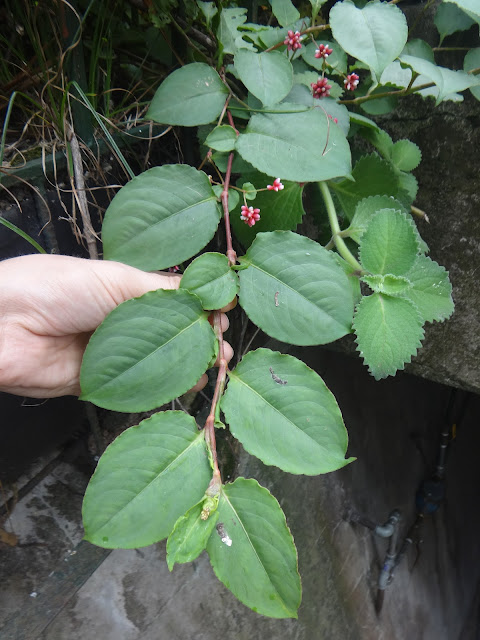
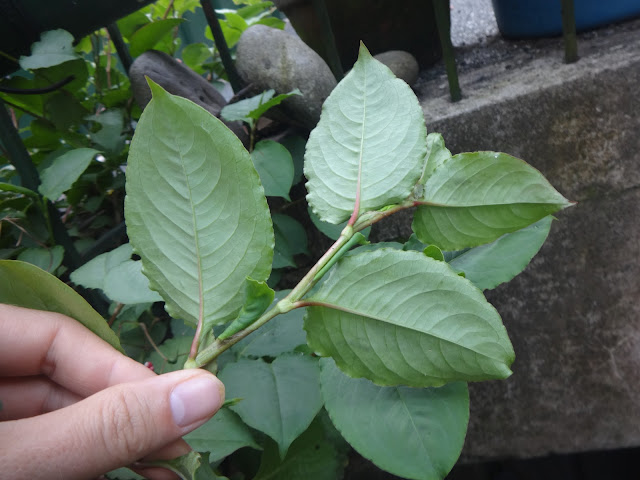
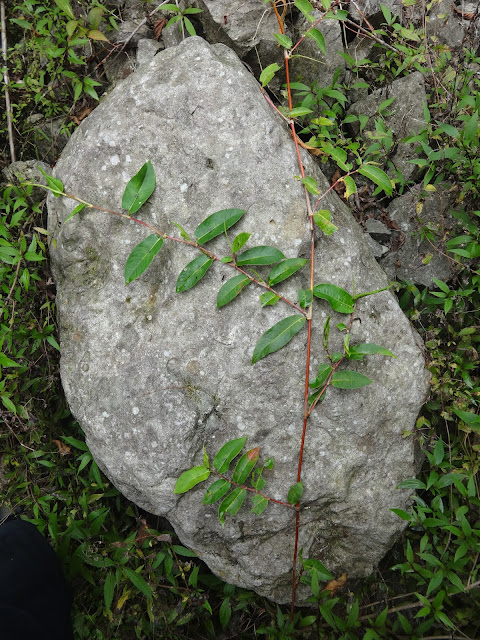
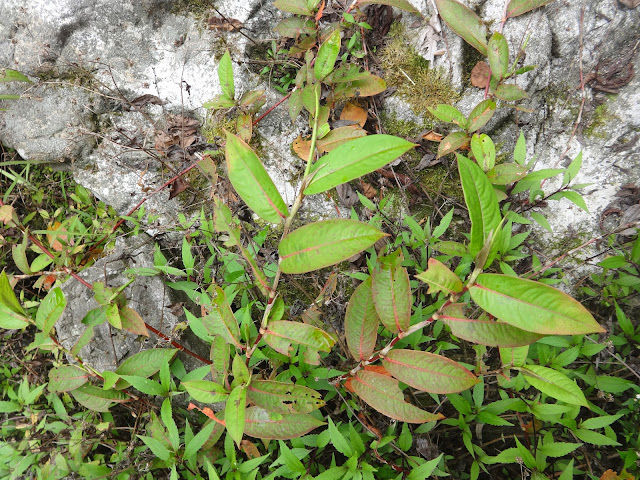
So if you want to add Brahmi to your herbal plants collection (which I really recommend, as it is so easy to grow, and nibbling its fresh leaves is much better than taking this herb in form of capsules containing dry material of often very questionable quality), go and look for it at your local aquarium shop (or check online one). But because of many of aquarists doesn't really bother about actual plants names, and sell it all just as an assorted aquatic plants. You might have to rely on your own recognition of this plant. Unlike many of amphibious plants, B. monnieri has the same growth habit on the land and underwater, so it is easy to identify knowing its look just from the photos I'm putting here. (I also recommend to purchase from aquarists Bacopa caroliniana, which is not so bitter and has nice aroma so is a great potherb and has medicinal values too. I put more photos of it down in this article)
Bacopa caroliniana
Bacopa monnieri

The name Brahmi is commonly used in India not only for Bacopa monnieri but also for Centella asiatica, as both plants are primarily used in Ayurveda to enhance intellect functions. To avoid confusion with Centella asiatica, Bacopa monieri is often called Jal Brahmi (brahmi growing alongside water).
In ancient Indian texts B. monieri is also named as Sureshta - liked by gods, Divy - divine, Vayastha - arresting old age, Sharma - charming, Medhya - good for mental work, and Saraswati, Sharad or Bharati - after goddesses of learning. In the oldest Ayurvedic Sanskrit texts Bacopa monnieri is called Aindri, which derives from name of Indra - king of heaven and the gods, as it is said to be one of his favourite plants.
Other, locally used Indian names for this plant are : Jalanimba, Jal Neem, Brahmi Sag, Adha Birni (Hindi), Baam (Gujrati), Barna, Neerbrahmi (Malayalam), Ghola, Jalnam (Marathi), Brahmibuti (Punjabi), Neeri, Sambraani Mokka, Sambraanichettu (Telugu), Kiri Braahmi (Kannada), Akantapuntu, Arapiyam, Ahaznda Poozndu, Parambi (Tamil), Prusni Parnni (Oriya), longer list
here.
Bacopa monnieri is also called Water Hyssop, Herb Of Grace, Thyme Leaved Gratiola (in English), Lunuwila, Loonooweela (Sinhala), Aaghabini, Brahmisak (Bengali), Brahmi Buti, Jalanim (Urdu), Farfakh, Zarazab (Arabic), Jaranab (Persian), Medha Giree (Nepalese), Rau Dang Bien (Vietnamese), Phrommi (Thai), Bremi (Malay), Ulasimang-aso (Tagalog), Aeae, Baby Tears (Hawaii), Jia Ma, Chi Xian, Pa Chi Tien (Chinese), Bakopa (Japanese), Petite Bacopa, Bacopa medicinale (French), Bakopa Drobnolistna, Bakopa Moniera (Polish), Kleine Fettblatt (German) and Psheta Srua (Hebrew).
Name of the genus Bacopa is a Latinized form of the aboriginal name used for those plants by the indigenous people of French Guyana. The specific epithet monnieri was probably given after name of French naturalist Louis-Guillaume Le Monnier (1717-1799). Bacopa monnieri is still rarely named as Herpestis monniera, other synonyms of this plant are Gratiola monnieri, Moniera cuneifolia, Lysimachia monnieri, Herpestes fauriei and Herpestes monnieri.
CULTIVATION AND HARVESTING

Bacopa monnieri is a small creeping plant, with a growth habit of growing new shoots upright until they reach height of 10-30cm and then start to fall. After the new stems reach the ground, they immediately grows roots from each node, and soon after also grows young upright shoots that will repeat the cycle. So the old stems become kind of a rhizomes, covered with time by compost soil created by falling leaves, dust and so on. In such a way Brahmi grows into a vast colonies, a dense mats that can cover tens of square meters of land, suppressing other plants. And for that reason B. monnieri is listed in some countries as an invasive species, and you might find it to be invasive in your garden too.
Brahmi loves very wet or waterlogged places like mangroves and costal areas (it tolerates salinity very well), riverbanks, edges of streams, ditches and lakes, and swamps. And can become a nuisance when overgrowing full width of shallow rivers, streams or ditches, and by so limiting the water flow, and causing sedimentation of organic matter further restricting the current. Thanks to adaptation to grow on seasonally flooded areas it can grow fully immersed in water, even in brackish one. And although it can grow on dry land too with enough amount of rainfall or irrigation. Some days ago someone has started to treat it as a sheer aquatic plant. And as it gained huge popularity as a ornamental aquarium plant, many aquarists don't even realize that Bacopa monnieri is a primarily land plant. Which is proved by it always trying to grow well beyond the surface of water, and only then become to bloom.
So my suggestion is that if you are planning to grow Brahmi in a pot, plant it in some container without any holes, and let the soil to be all soaked. Or you can even grow it in a low aquarium or a bucket filled half with soil and half with water, and wait for your harvest to come above the surface. Those ''let it soak'' techniques of Bacopa cultivation are more productive, than any even in very wet soil. With unlimited water resources, enough of compost soil, high temperatures and strong or moderate sunlight level, growth of B. monnieri is rapid. It can grow on almost any kind of soil, with acidity from 4 to 10, but prefer pH between 6.3 and 8.8 . And for aquatic conditions pH 8 seems to be most favorable and water hardness (dGH) should be in the range 142.86 - 535.71 ppm.
Bacopa monnieri is an evergreen perennial that in some regions appears as an annual plant, due to the fact that seasonal frosts or draughts kills it. The new plants are said to grow from seeds to adult in around 6 months. But its abundant tiny flowers are said to not produce seeds very easily, and the seeds might be hard to germinate (it shows a distinct dormancy period and sunlight appears to be an essential requirement for its germination). And even though that Brami can be very quickly and easily propagated, threw just three-nodes cuttings or simply division of its rooted ground-layed stems. Many agricultural institutions in India, but also other countries like Malaysia or Turkey, has been working on finding the best in vitro techniques for the fastest multiplication of this plant. Which is nowadays in such a huge demand from both herbs plantators and aquarists.
Although it loves water, thanks to water reserves kept in its succulent leaves and stems, Bacopa monnieri can easily survive brief droughts, even if it will be so extreme that it will turn its soil into rock. But depends on how sunny and hot is the spot where it grows, if it won't get water in 6 -15 days it will inevitably get dry to death.
As a typically tropical plant Brahmi don't like low temperatures, and so I am taking with big scepticism information that it can survive even frosts like few degrees Celsius below zero. But I have never yet tested it to know for myself, so maybe it does. Its preferred temperature ranges between 16 - 25'C.
B. monnieri flowers are typically white with slight purple or pink hue, but some people claim that it can have purple, pink or blue flowers too. The flowers are tiny, less than 1cm in diameter, but will be a cute ornament if you will keep Bacopa in a pot indoors. And even in garden landscaping it can have ornamental value, as it usually appears in such abundance that even from a distance it have its signature, as a constellation of a tiny stars on a smooth green blanket.
Brahmi can produce flowers whole year round. But in many regions it has a cycle of rapid growth of new shoots during rain season, followed by intensive blooming during drier months, and then time of slowed growth/partial dormancy during dry and cold season. The flowers attract honeybees and therefore it can potentially be source of honey produce (please anyone let me know if you have some info about how high is the level of nectar production in B. monnieri flowers, and can it be worth consideration for commercial honey production).
Bacopa monnieri withstand well light foot traffic and can be a kind of a lawn substitute, and in boggy areas it is a perfect plant to grow between stepping stones. Brahmi mats outlook can be easily improved by regular mowing or string trimming, but it often keeps its attractive immaculate, dense groundcover charm without any ingeration. The plant is sensitive to iron deficiency, which is manifested by chlorosis (yellowing or whitening of the leaves), and can be solved by regular application of iron fertilizers like liquid or granule iron chelate.
Although Brahmi is a great plant to be grown by ponds and lakes, with abundance of water, sun and heat, its invasive nature can be really problematic. It can be also planted as a strict aquatic plant and grow actually inside of a pond, and it sometimes creates free floating mats.
Being amphibious plant B. monnieri thrives as a weed on rice fields. And thanks to it being tolerant to partial shade it can be a secondary croop (or primary depend on importance) grown under fruit trees, palms, medicinal shrubs, etc.. Some sources states that Brahmi grows up to an altitude of 1400 meters, other says that it can grow on elevations as height as 1500m.
Bacopa monnieri can be damaged by snails, slugs and caterpillars (like Anartia jatrophae and Spodoptera litura), it is also a host for several nematodes in the genus Meloidogyne. Grasshoppers are common pest on Bacopa but can be controlled by spraying of natural herbal insecticide based on Neem tree (Azadirachta indica).
B. monnieri easily accumulate pollutants such as arsenic, if grown in contaminated areas. Brahmi samples taken from a semi-urban area contained noticeable levels of lead, copper, cadmium and zinc, which exceeded safe thresholds. But studies results has also showed that Bacopa plants treated with cadmium contained increased amount of bacoside A and bacopaside I - compounds responsible for most of Brahmi medicinal properties. Therefore bigger volume of valuable secondary metabolites in the plants from heavy metals polluted areas, can by used through extraction by pharmaceutical companies. It means that safe utilisation of good yield of isolated bioactive compounds from B. monnieri, and removing of heavy metal pollutants from contaminated sites threw phytoremediation, can be done at the same time.
In a household, Brahmi either from the indoor or outdoor pots or a garden can be harvested all year round (except of course if in cold winter areas). Therefore I suggest useing it always freshy picked, and consider drying it as irrelevant waste of time and also loss of some of the herb's antioxidants due to the process and storage. Picking only 2-6 nodes tops will encourage the plants to grow new stems, and makes in neat and dense. I also also prefer it for convenience, as the very tops are usually so clean that it doesn't even require washing. While the lover parts of the stems are often covered in soil particles or other dirts and bugs.
But if you pick whole long pieces of stems, it can be storagged in room temperature for few days without wilting. Both long stems and short tips of Brahmi can be storagged for weeks in room temperature without losing its freshness, if put in water. As it rather start growing roots than wilt.
For commercial scale in India the best harvest time of Brahmi is said to be between Oct-Nov, as it is the period in which maximum biomass is produced. And after this time, senescence sets in and there is loss of plant biomass and alkaloid yield.
B. monnieri plants can be usually harvested after 5-6 months after planting.
Only the upper portions of the stem 4-5 cm from the base is cutted and rest is left for further regeneration. On an average, from single harvest yield of 300q/ha of fresh plant, which gives 60q/ha dry herbage, can be obtained. After the first harvest, 40q/ha additional dry herbage yield can be obtained from the ratoon, and usually 2-3 harvestings are done in one year. Generally the traditional method is followed to dry the harvested fresh material after cleaning and washing. It is spread on the surface under shade at room temperature, and turned over twice a day. The drying process takes about 8 to 10 days and the material is then packed airtight bags for long distance transportation and storage.

CULINARY USES
Bacopa monnieri leaves and stems are bitter, juicy and bit crispy, and are a good appetite enhancer to munch fresh on its own. In India the whole young stems with leaves are used fresh as a pot herb in salads, soups, as a cooked leaf vegetable, or pickled. It is also dried, pulverized and mixed with butter.
There are many different functional food products and food supplements that contain Brahmi as leading ingredient available on market in India, like biscuits, nutrition bars, cereals and granules, fruit beverages, syrups, sherbats, herbal honeys and jellies.
Brahmi stems with leaves can be used fresh well chopped or dried and crushed, to make a bitter tea. In India juice squeezed from fresh parts of B. monnieri is drunk with milk or honey and ghee.
In Rajasthan, Bacopa monnieri is combined with Camellia sinensis to make a drink for rejuvenation of nerve and brain cells, called Joyawake Tea.
COSMETIC USES
Bacopa monnieri is traditionally taken as a nutrition to stop hair from falling and thinning. The whole plant juice drunk is said to makes hair longer and thicker, and stimulate growth of skin and nails.
This herb is also consumed and applied externally in form of paste from fresh stems with leaves or lotions and decoction are used as wash to treat many skin complaints like : eczema, psoriasis, abscess,
ulcerations, burns, blisters and elephantiasis. Charaka prescribed Brahmi for complexion and luster.
To promote the growth of nails, hair and skin, Brahmi is sometimes taken in a formula with Tulsi, Neem, and Amla.

MEDICINAL USES
Bacopa monnieri is known as a medicinal plant all around the world. It is one of the best selling herbs for improving memory and cognitive functions in the Western world and in India, from where its popularity has spread. Which is why this herb is sold in most of countries under its Ayurvedic name Brahmi, which derived from the word Brahma, a name of god of creation in Hinduism, and term meaning abstract spiritual concept of creation. And that perfectly shows strong attribution of this herb having effect on functions of a brain, which is the center of creativity.
Brahmi belongs to the oldest, most important and most commonly prescribed herbs in Ayurvedic medicine. Its medicinal uses was described in the oldest and most important Ayurvedic texts like Charaka Samhita, Susrutu Samhita, and more than 3000 years old Atharva Veda. In which B. monnieri was classified as Medhya Rasayana type of herbs, the type of herbs for improving memory and enhancing intelekt functions. Vedic scholars of ancient India have been taking Medhya Rasayana herbs regularly to help them memorize lengthy scriptures. This plant is also described to be one of the Divya Aushadhi - divine herbs with spiritual effect (medicinal plants of great supernatural efficacy in life saving or life prolonging), when consumed with milk for six months.
In the oldest Ayurvedic texts Bacopa monnieri is called Aindri, which derives from name of Indra - king of the gods, as it is said to be one of his favourite plants.
Charaka in his work described Bacopa monnieri as a herb efficient in treating old age related diseases, promoting memory and intellect, increasing the life span, providing nourishment and improving clarity of voice, complexion and luster. Most of those claims as well as many other medicinal actions, has been proved in many scientific tests on this herb properties. Researches on its chemical constituents, pharmacological actions, laboratory tests and clinical trials of this herb, has been in recent decades conducted numerously in India, and some has been also made in Thailand, Malaysia and other countries.
In terms of Western medicine, Bacopa monnieri medicinal actions are described as : nootropic, memory enhancing, neuroprotective, nervine tonic, anti-inflammatory, anti-oxidant, depurative, analgesic, antipyretic, sedative, anti-convulsant, antidepressant, anxiolytic, antibacterial, antifungal, hepatoprotective, diuretic, astringent, bronchodilating, antispasmodic, cardiotonic, cardiovascular and smooth muscle relaxant, vasodilatory, anti-cancer (anticarcinogenic and antimutagenic), antidiabetic, anti-hypertensive, anti-ulcerogenic, carminative, bitter digestive, anti-diarrheal but also aperient (sometimes even described as laxative or mild purgative), adaptogenic, immunostimulatory, emmenagogue, sudorific, anthelmintic, antileishmanial, antileprotic and calcium antagonist.
Brahmi also has been shown in tests to posses anti-lipid peroxidative and metal ion chelating activities, increase cerebral blood flow and stabilize cells. Its anticholinesterase effect has been reported, as it is said to inhibits acetylcholinesterase, activates choline acetyltransferase, and has generally cholinergic modulatory effects. Study results indicates that B. monnieri have a stimulatory effect on on thyroid function.
According to Ayurvedic concepts, Bacopa monnieri balances pitta, reduces vata and kapha, with guna that is laghu and snigdha (light and moisturizing nature), ushna veerya (fluids stimulating potency), tikta rasa (bitter taste) and katu vipaka (post-digestive astringent action). It is a Medhya Rasayana and Divya Aushadhi herb, that tonify brain, improve mental functions, restore memory and generally rejuvenate and invigorate the body. It is said to prolong life with it's properties such as blood purifying, diuretic, energizing heart, liver, kidney and nervous system. Brahmi calms body, mind and spirit, increase concentration, motivation, creativity and devotion to a spiritual practice, but also increase sexual energy. In Charaka Samhita this herb is also classified as Bala - class of herbs that improve strength and immunity.
Brahmi preparations of the pure dried plant or in combination with other herbs, are popular and widely available in India and western countries, and generally more or less available all over the world. This herb is an important ingredient of many important Ayurvedic preparations, such as Brahmighritam and Brahmirasayanam.
As a pricy herb Bacopa monnieri is sometimes adulterated with cheaper medicinal plants, such as Centella asiatica, Eclipta alba, and Malva rotundifolia. B. monnieri is often confused or intentionally used interchangeably with Centella asiatica, as both plants share most of its medicinal properties. It is especially noticeable that the both herbs are mainly used as a brains function boosters and memory enhancers, and that is why Centella asiatica is also often named as Brahmi, and that is the cause of confusion. There is even theory that the original historical Brahmi is an long extinct plant species with amazing intelligence improving effect, that nowadays can be achieved only by combining together Bacopa monnieri and Centella asiatica.
Most of the applications of Bacopa monnieri in herbalism are related not to immediate treatment of diseases in acute cases. But rather to systematic restoration of health in chronic conditions, or as a more preventative and wellbeing improving diet supplement. It is taken orally in form of fresh stems with leaves (often ground stems with roots too), squeezed juice, or dried in form of powder, capsules or pills, in purposes to :
- Enhance memory and boost cognitive functions. The name Brahmi can be translated as the herb for creativity. And for more than 3000 years this plant was used in India as one of the most important herbs of Medhya Rasayana type, a group of herbs for improving memory and intellect functions. This Ayurvedic claim has been already confirmed in clinical trials on elders, adults and childrens. Proving that regular consumption of this herb help prevent memory loss and age-related cognitive decline in elders. And improve vocabulary and verbal comprehension, visual and meaningful memory and attention in children and adolescents.
Traditionally for memory enhancement and better learning abilities, 8ml of plant juice or 1-2 grams of plant powder is taken daily for at least few weeks, but often it is used for many months. In India juice from B. monnieri stems with leaves is often traditionally drunk mixed with milk or honey with ghee.
As an intellect boosting food supplement, Bacopa monnieri is often available on sale in preparations, combined with other Medhya Rasayana class herbs, mostly Centella asiatica (Gotu Kola), Withania somnifera, Evolvulus alsinoides and Tinospora cordifolia.
One Indian prescription for enhancing memory is the mix of Bacopa monnieri powder with Saraca indica bark powder in equal amounts, which is administer in 5g every day.
Saponins that are the major active compounds in B. monnieri, has been noted to enhance the nerve impulse transmission. It was observed that unlike the potentially addictive and forceful action of widely used psychostimulants that exhaust neurons, chronic and moderate administration of Brahmi appears to nourish and regenerate nerve cells. Bacopa monnieri interacts with the dopamine and serotonergic systems, but its main mechanism concerns promoting neuron communication, by enhancing the rate at which the nervous system can transmit information by increasing the growth of nerve endings.
- Neuro-degenerative and age related diseases. For centuries Brahmi has been used for prevention and treatment of memory and intellect functions decline in elderly people. Many laboratory studies and clinical trials has confirmed effectiveness of this herb in treatment of neuro-degenerative diseases such as Alzheimer’s disease, Parkinson’s disease, and prion disease.
Thanks to the content of triterpenoid saponins called bacosides, Bacopa monnieri aid repair of damaged neurons by enhancing
kinase activity, neuronal synthesis, restoration of synaptic
activity, and nerve impulse transmission. It also suppresses acetylcholinesterase activity resulting in enhanced cholinergic function, which in turn enhances attention, memory processing and increases working memory in elderly people. In addition this herb is a powerful antioxidant and improve blood flow in brain, which strongly help to prevent age related degeneration of a brain. And what is very important, its mood enhancing, anxiolytic and sedative actions play important role in soothing over excitement, frenzyness or aggressive moods that often ocurs in cases of dementia.
Administration of Bacopa monnieri extract was seen to protect the cholinergic neurons and reduce anticholinesterase activity comparable to standard anti-dementia medications - donepezil, rivastigmine and galantamine.
Some experts says that according to experiments data B. monnieri can prevent from brain stroke. Oral administration of B. monnieri to rats for 12 weeks increased cerebral blood flow without changing blood pressure.
More details on neuroprotective, anti-dementia actions of Bacoba monnieri, you can read in :
Neuropharmacological Review of the Nootropic Herb Bacopa monnieri, by Sebastian Aguiar et al (
link);
Brahmi (Bacopa monnieri): Up-to-date of memory boosting medicinal plant: A review, by Natthawut Charoenphon (
link);
Neurocognitive Effect of Nootropic Drug Brahmi (Bacopa monnieri) in Alzheimer's Disease by Chaudhari K.S. et al (
link); and
Bacopa monnieri, a Neuroprotective Lead in Alzheimer Disease: A Review on Its Properties, Mechanisms of Action, and Preclinical and Clinical Studies, by Aimi Syamima Abdul Manap et al (
link).
- Mental illnesses. Besides for old age related mental retardations, Bacopa monnieri is commonly used in Ajurvedic medicine for treatment of mental disorders like : insanity, schizophrenia, psychosis, hysteria, retardedness, general debility, amentia or nervous breakdown.
Its effectiveness is due to its tranquilising, sedative, antidepressant and anxiolytic properties, combined with ability to repair neuron connections, and detoxification of a brain (there is evidence of an antioxidant effect of Brahmi in the hippocampus, accumulation of toxins like heavy metals in hippocampus is connected with variety of neurological and psychiatric disorders).
In mentally retarded children, Brahmi was found to be effective in enhancing learning abilities and controlling abnormal behaviour.
- Depression, anxiety, insomnia, neurosis, stress and mental fatigue. B. monnieri has always got reputation of being mood enhancing, thoughts clearing, tranquilizing herb, and is commonly used for treatment of states of depression, anxiety, restlessness, insomnia, different kinds of neurosis, distraction, stress and nervous exhaustion (neurasthenia).
While treatment of many serious neurological and neuropsychiatric diseases with Brahmi requires long term, regular intake. Single dose of Bacopa monnieri usually brings instant improvement of mood, concentration, processing of information, relaxation and increase of confidence.
In Ayurvedic medicine Brahmi is recommended as a tonic for anxiety in pregnancy, however there is insufficient scientific information about the herb's safe dose in pregnancy.
Studies results has shown that Brahmi cause increase in level of serotonin in brain, which promote relaxation. Results of animal model studies has shown that anxiolytic and antidepressant activity of Bacopa monnieri extracts, are comparable with those of standard anxiolytic drug lorazepam and standard antidepressant drug imipramine. While Brahmi extract did not induce amnesia, side effects associated with lorazepam, and instead had a memory enhancing effect.
- Opioid dependence. Experts says that B. monnieri has big potential in treatment of opioid dependence, as it not only work well on mental issues related to opioid dependence and withdrawal. But it also has showed in tests that it is effective in protecting organs from opioid induced toxicity.
- Epilepsy. Brahmi has been used as an anti-epileptic medicine in India since ancient times. Contemporary studies on animals and human clinical trials has proved that Bacopa monnieri extracts produce significant anticonvulsant activity.
Traditionally the juice of the plant is taken on its own or with other herbs. One of Ayurvedic preparations for alleviation of epilepsy and insanity, consists of old ghee processed with B. monnieri juice, Acorus calamus, Saussurea lappa and Convolvulus microphyllus.
- Neuropathy. In Siddha system of medicine this herb is used to treat peripheral neuritis.
- Asthma, bronchitis, hemoptysis, dyspnea, coughs and hiccup. Bacopa monnieri is widely used to improve respiratory functions in cases of asthma, bronhitis, haemoptysis, dyspnea, coughs and hiccup, in Ayurvedic, Siddha and Unani medicine. Brahmi is not only consumed fresh or in form of decoctions. But also poultice of the boiled plant is applied on the chests of children in the treatment of acute bronchitis and other coughs, while the plant's juice is given to drink. Dried root and Brahmi fruit powder is burnt and the smoke is inhaled 3 times daily in bronchitis.
In animals, Bacopa showed relaxant effect on pulmonary arteries, trachea and bronchial tissue, effectively easing bronchoconstriction. In-vitro study demonstrated that methanol extract of Brahmi possessed potent mast cell stabilizing activity comparable to disodium cromoglycate, a medication commonly used for allergy treatment.
- Heart problems. Around two thousands years ago, Indian sage physician Charaka has been recommending Brahmi in formulations to energize heart. And today this herb is an important cardiotonic in ayurvedic herbs list. To strengthen the heart it is usually traditionally given orally in form of the plant's juice.
Results of animal studies suggest that B. monnieri posses cardiovascular and smooth muscle relaxant properties, increase coronary flow and has a significant myocardial salvaging effect.
The mechanism of action Brahmi exerts on the cardiac muscles has shown to be quite similar to that of quinidine, a medication that is class I antiarrhythmic agent.
- Digestive problems. B. monnieri is traditionally used to treat many kinds of digestive tract ailments. It is consumed as a digestive aid in dyspepsia, to protect from stomach ulcers, irritable bowel syndrome, prevent or remove gases, stop diarrhoea or ease constipation (it is described as aperient herb, but sometimes even as laxative or mild purgative), also in biliousness, vomiting and gastrointestinal disturbances due to excessive tobacco use.
In India Brahmi is used to treat dysentery in children and to cure cholera. In Sri Lanka B. monnieri is used as mild purgative for children, one teaspoon of young shoot infusion is given for constipation to infants. The plant juice is sometimes given to children with stomach disorders, mixed with ginger, sugar and bark extract of Moringa oleifera.
In vitro study of Bacopa extract demonstrated direct spasmolytic activity on intestinal smooth muscle, and anti-bacterial activity against Helicobacter pylori, bacteria responsible for chronic gastric ulcers. Studies has also confirmed the herb's effectiveness as a gastro antiulcerogenic and antiinflammatory agent.
- Pain. Bacopa monnieri is traditionally consumed to bring relief in cases of many different kinds of pain, like headache, neuralgia, backache, joint pain and abdominal pain. There are many ways in which this herb act on easing sensation of pain. It is said to be analgesic, nervine tonic and sedative, but it also cleans body from toxins, fight inflammations and infections that can be direct cause of pain of different organs, as well as relax smooth muscles.
Besides of being consumed for pain relief as a fresh plant or in dried form, juice squeezed from whole plant of Brahmi is drunk to relief headache. And for chronic headaches and brain fag syndrome (BFS), oil is prepared with this herb for head and neck massage. Paste from the fresh plant is also applied topically for rheumatic pains, painful joints and neuralgias. For abdominal pain Brahmi paste is applied warmed on abdomen.
- Rheumatism, arthritis and neuralgia. In Ayurveda and Siddha, Brahmi is commonly taken internally to treat rheumatic conditions, painful joints, swellings and neuralgias. The plant juice is often drunk mixed with milk. The plant paste is also applied topically.
Extract of B. monnieri inhibits arthritic symptom and inhibit cyclooxygenase and lipoxygenase activity. A study reported the effect of various concentration of methanolic extract of B. monnieri on the arthritis and its comparison with the standard Diclofenac Sodium drug at 2000 μg/ml. The results were found that B. monnieri showed 90.34 ± 0.83% inhibition of protein denaturation and 93.67 ± 1.34% membrane stabilisation, while for Diclofenac showed 96.52 ± 1.25% inhibition of protein denaturation and 98.76 ± 1.67% membrane stabilisation.
- Infectious diseases. Bacopa monnieri is used as a cure for many different kinds of infectious diseases, mostly bacterial like cholera, erysipelas, syphilis, gonorrhea, tuberculosis, leprosy, but also for cold, ringworms, elephantiasis, scabies, malaria and some other febrile diseases.
Studies has showed B. monnieri's antibacterial efficacy against both gram positive and negative bacterias, like Staphylococcus aureus, Enterococcus faecalis, Klebsiella pneumoniae, Aspergillus niger, Escherichia coli, Pseudomonas aeruginosa, Salmonella typhi, Vibrio cholera, and funguses like Aspergillus flavus, Candida albicans, Lycoperdon lividum.
- Spleen disorders. Brahmi it traditionally used to treat spleen disorders, mainly splenomegaly (enlargement of the spleen).
- Liver problems. For centuries Bacopa monnieri was used to protect and energise the liver, and cure liver complaints including jaundice. In tests B. monnieri extract exerted a protection against morphine-induced liver and kidney toxicity in rats, as well as against paracetamol and ethanol induced hepatotoxicity.
- Women complaints and pregnancy. Brahmi is traditionally used as a remedy for menstrual disorders, amenorrhea, dysmenorrhea and sterility. It is said to promote fertility and sustain implantation, Charaka used Brahmi as an impregnating herb and as a preventive of abortion, and it is used in nowadays in Ayurvedic formulations for habitual miscarriage.
In Ayurvedic medicine Brahmi is also recommended as a tonic for anxiety in pregnancy, however there is insufficient scientific information about the herb's safe dose in pregnancy.
- Skin diseases. Brahmi is taken internally to treat many different kinds of skin ailments, like : eczema, allergic disorders, psoriasis, leucoderma, ulcerations, and infection caused like boils, ringworms, erysipelas, syphilis, leprosy, scabies and elephantiasis (beside for being consumed, fresh plant paste is also applied topically on skin areas affected by elephantiasis). B. monnieri cleans the blood, posses antimicrobial properties, and also is said to give skin good complexion and luster, stimulate the growth of skin, hair and nails.
- Cancer. In India and Sri Lanka, Bacopa monnieri is used traditionally in treatment of cancer. The plant was considered for centuries to be blood cleansing, and nowadays its free radical scavenging property are well proved.
In vitro and animal tests results of Brahmi extracts and its isolated compounds, have showed that this herb has effect of growth inhibition or apoptosis of such types of cancer like breast, lung, colon, carcinosarcoma, papiloma and melanoma.
- Urinary tract disorders. Bacopa monnieri is traditionally considered to be a kidney tonic and is consumed to treat kidney ailments and urinary tract disfunctions. It posses anti-inflammatory and diuretic properties and therefore it is effective in the treatment of edema (which was confirmed in animal tests). In Sushruta Samhita, Brahmi is prescribed as a potherb for urinary diseases and kidney stones. In siddha system of medicine, the plant is taken to treat burning urination.
In Rajasthan, warmed paste from fresh Brahmi is applied on abdomen to cure urinary duct inflammations.
- Inflammatory conditions. B. monnieri is commonly used to treat wide range of ailments caused or associated with inflammation, like : laryngitis, asthma, gastroenteritis, edema, arthritic conditions, dermatitis or even peripheral nerves and brain inflammation.
Anti-inflammatory activity of Brahmi has been proved to be significant in edema and arthritic animal tests. Other study has shown that the herb inhibits the release of inflammatory cytokines from microglial cells and inhibits enzymes associated with inflammation in the brain.
- Diabetes. Brahmi is traditionally used to treat diabetes, and results of few different studies has confirmed the plant's anti-hyperglycemic activity.
- Physical and sexual weakness. Bacopa monnieri is traditionally used as a general tonic to increase mental and physical vitality, and as an aphrodisiac. According to Atharvaveda, it strengths body to overcome physical and sexual weakness and improves quality of semen. It is prescribes as a treatment for anorexia, anaemia, asthenia, impotence and premature ejaculation.
- Longevity. For thousands of years Brahmi was considered to be longevity promoting herb, that rejuvenate both mind and body. Its life prolonging, energizing and old age quality of life improving power was described in the oldest Ayurvedic texts, where it was listed as one of the most important Medhya Rasayana herbs - the drugs for improving memory and cognitive functions. Shushruta prescribed the plant juice mixed with milk as a part of daily diet for promoting intellect and for preventing aging.
Study showed that Brahmi extract in doses 300 and 600 mg/day, could improve quality of life in the elderly by improving the mental and physical fitness, increasing alertness and attention resulted in the improvement of learning and memory, decreasing depression-like symptoms and increasing efficiency of postural balance.
- Bone fracture. Brahmi is traditionally considered to be herb that support healing of bone fractures. In Rajasthan, about 5 g of powdered B. monnieri leaves mixed with 2 or 3 black pepper are given in a single dose for bone fracture.
- Snakebites and scorpion stings. In over thousand years old text of Agni Purana, Bacopa monnieri is mentioned to be poison destroyer. The fresh plant juice or decoction is drunk as a antidote for snakebites and scorpion stings. For snakebites, the leaf powder decoction is sometimes drunk mixed with hot cow's milk, while the plant juice is mixed with castor oil and applied externally on place of bite.
- Hoarseness and speech disorders. Brahmi is traditionally used to to treat hoarseness of voice and speech disorders, it is said to enhance the power of speech and improve clarity of voice. For that purpose in Rajasthan the plant is eaten after being fried in ghee.
- Hypertension. In Sri Lanka, Bacopa monnieri is sometimes used to reduce hypertension. Studies has shown that this herb increase the utilization of nitric oxide in the body and encourage vascular muscle function, and by those actions it promote normal blood pressure.
- Intestinal worms. In Assam, Bacopa monnieri is used to fight worm infestations in children.
- Baby and childcare. Brahmi has been found to significant improve IQ levels, general mental clarity and ability, behavioral patterns, confidence, concentration and memory recall in children. It increase serotonin level promoting relaxation and therefore is very helpful in cases of anxiety, restlessness and hyperactivity.
Studies have found that bacosides extracted from Bacopa monnieri are highly-active compounds that exhibit neuron-protecting effects in hypoglycemic infants. Therefore, many researchers believe that Bacopa extracts may be effective for protecting newborn brains against hypoglycemia-induced brain damage.
In Sri Lanka, one teaspoon of young Brahmi shoot infusion is given for constipation in infants.
The juice of leaves is given to children to treat fever and bronchitis, and to bring relief in diarrhoea.
Externally Bacopa monnieri is used in different ways to treat different conditions :
- Poultice made of the boiled plant is applied to the chests of children in the treatment of acute bronchitis and other coughs.
- Paste made for the fresh Brahmi plant is applied to treat elephantiasis and rheumatism.
- Juice of leaves conjoined with petroleum is used for a local application in rheumatism.
- Juice from the plant is used as a wash for burns, cuts and wounds.
- The plant paste is used three times daily in treatment of blisters.
- Warmed fresh Brahmi paste is applied on abdomen to cure abdominal pain and urinary duct inflammations.
- Oil preparation of B. monnieri is used to massage in habitual headaches and to relieve brain-fag.
- The plant juice mixed with castor oil is applied on place of snake bite.
- Brahmi decoction is used for washing ulcers.
Chemical constituents of Bacopa monnieri
Bacopa monnieri contains : alkaloids (brahmine, herpestine, nicotine), tannins, glycosides (cardiac glycosides), flavonoids, phenols, quinones, coumarins and phytosterols (stigmastanol, beta-sitosterol and stigmasterol). But the most important bioactive compounds in this herb are its saponins, as it was proved to be responsible for most of Brahmi's nootropic actions. Saponins in B. monnieri are mostly characteristic dammarene types of triterpenoid saponins called collectively '' bacosides '', with jujubogenin or pseudo-jujubogenin moieties as aglycone units. It also contain hersaponin, monnierin, bacogenins, betulic acid, d-mannitol, apigenin, jujubogenin, pseudojujubogenin, monnierasides, cucurbitacins, plantainoside B, wogonin, oroxidin, luteolin, luteolin-7-glucoside and luteolin-7-glucuronide.
Dosage, Contrainadications and Side Effects
Most of Ayurvedic prescription for Brahmi comprise of fresh or dried whole plant material combined with milk. Modern studies gave good justification for this method, as tests has showed that Bacopa monnieri bacosides poor bioavailability is much increased by presence of emulsifying oils.
There are currently several bacoside-standardized Bacopa monnieri extract formulas available on the market, some of which are in clinical use in India, USA and Australia.
Traditionally prescribed doses for the crude Brahmi herb vary. In Ayurvedic medicine it is usually for fresh juice 10-20 ml, whole plant powder 3-5 g, and for root powder 500 mg. But you can find prescriptions like these - '' 5-10 g of non-standardized powder, 8-16 mL of infusion, and 30 mL daily of syrup (Brahmi). Dosages of a 1:2 fluid extract are 5-12 mL per day for adults and 2.5-6 mL per day for children ages 6-12.'' , '' 30ml juice taken twice daily, in the morning before breakfast and two hours after dinner, for memory improvement and better learning. honey can be added as it is bitter.''
Consumption of Bacopa monnieri in therapeutic doses is considered safe, which was confirmed in both clinical human studies as well as laboratory tests.
Nevertheless this herb can cause gastrointestinal symptoms in people with coeliac disease, fat malabsorption syndrome, vitamins A, D, E or K deficiency, dyspepsia or pre-existing cholestasis, due to high saponins content of the herb.
Adverse side effects of B. monnieri intake rarely happens in humans. The most commonly reported and statistically significant symptoms are nausea, abdominal cramps, increased intestinal motility- increased stool frequency or diarrhoea, and gastrointestinal upset. Less frequent side effects include sleepiness, headache, palpitations, dry mouth, thirst, fatigue, insomnia and vivid dreams.
Brahmi is not only recommended as a tonic for anxiety in pregnancy according to traditional Ayurvedic medicine, but also traditionally used as a herb that protects from miscarriages. However there is insufficient scientific information about the herb's safety dosage in pregnancy.
An animal study found that the effects of chlorpromazine, ( a drug similar to perphenazine, prochlorperazine, thioridazine), were enhanced when a Bacopa monnieri extract was given along with it.
Bacopa monnieri has been noted in animal models to decrease the toxicity of morphine and phenytoin. In mice BM administration with phenytoin significantly reversed phenytoin-induced cognitive impairment, as noted by improved acquisition and retention of memory.
Brahmi has also been shown (albeit inconsistently) to have a slight sedative effect, so caution
is advised in combination with other known sedatives. Both cold aqueous infusion and 95% alcoholic extract of BM potentiated the sleep induced by phenobarbital.
VETERINARY USES
In India, Brahmi is traditionally used to treat epilepsy in animals.
A study has found that alcoholic and to a lesser extent aqueous extract of the whole plant of Brahmi, exhibited tranquilizing effects on dogs.
In Rajasthan, Bacopa monnieri leaf paste used 3 times daily in swelling in legs of animals for one week.
Sources
'' Rasayana: Ayurvedic Herbs for Longevity and Rejuvenation '' - H.S. Puri, CRC Press 2002
'' Herbal Treatment of Major Depression: Scientific Basis and Practical Use '' - Scott D Mendelson, CRC Press 2019
'' Indian Herbal Remedies '' - C. P. Khare, Springer 2004
'' Essential Herbs and Natural Supplements '' - Lesley Braun and Marc Cohen, Elsevier Health Sciences 2017
'' Indian Medicinal Plants: Uses and Propagation Aspects '' - Srinath Rao and Akula Ramakrishna, CRC Press 2020
'' Bioactive Molecules and Medicinal Plants '' - Kishan Gopal Ramawat, Jean-Michel Mérillon
Springer Science & Business Media 2008
'' Natural Medicines: Clinical Efficacy, Safety and Quality '' - Dilip Ghosh, Pulok K. Mukherjee, CRC Press 2019
'' Veterinary Herbal Medicine '' - Susan G. Wynn, Barbara Fougere, Elsevier Health Sciences 2006
A systematic review of the Ayurvedic medicinal herb Bacopa monnieri in child and adolescent populations - James D. Kean (BSc (Hons)), Luke A. Downey (PhD), Con Stough (PhD)
Ethnic uses and Conservation Practices of Some Plants with Major Medicinal Potential by the Tribal Community in India - Chandan Kumar Acharya
Bacopa monnieri and Their Bioactive Compounds Inferred Multi-Target Treatment Strategy for
Neurological Diseases: A Cheminformatics and System Pharmacology Approach - Rajendran Jeyasri, Pandiyan Muthuramalingam, Vellaichami Suba, Manikandan Ramesh and Jen-Tsung Chen
The Purified Extract from the Medicinal Plant Bacopa monnieri, Bacopaside II, Inhibits Growth of Colon Cancer Cells In Vitro by Inducing Cell Cycle Arrest and Apoptosis - Eric Smith, Helen M Palethorpe, Yoko Tomita, Jinxin V Pei, Amanda R Townsend, Timothy J Price, Joanne P Young, Andrea J Yool, Jennifer E Hardingham
Brahmi, a Medicinal Plant for Memory Improvement - Kornkanok Ingkaninan, Nanteetip Limpeanchop, Sakchai Wittaya-areekul, Krongkarn Chootip, Pornnarin Taepavarapruk, Nuwat Taepavarapruk, Jintanaporn Wattanathorn, Seewaboon Sireeratawong, Waraporn Putalun, Watoo Phrompittayarat and Hiroyuki Tanaka
Bacopa monnieri, a Neuroprotective Lead in Alzheimer Disease: A Review on Its Properties, Mechanisms of Action, and Preclinical and Clinical Studies - Aimi Syamima Abdul Manap, Shantini Vijayabalan, Priya Madhavan, Yoke Yin Chia, Aditya Arya, Eng Hwa Wong, Farzana Rizwan, Umesh Bindal, Shajan Koshy